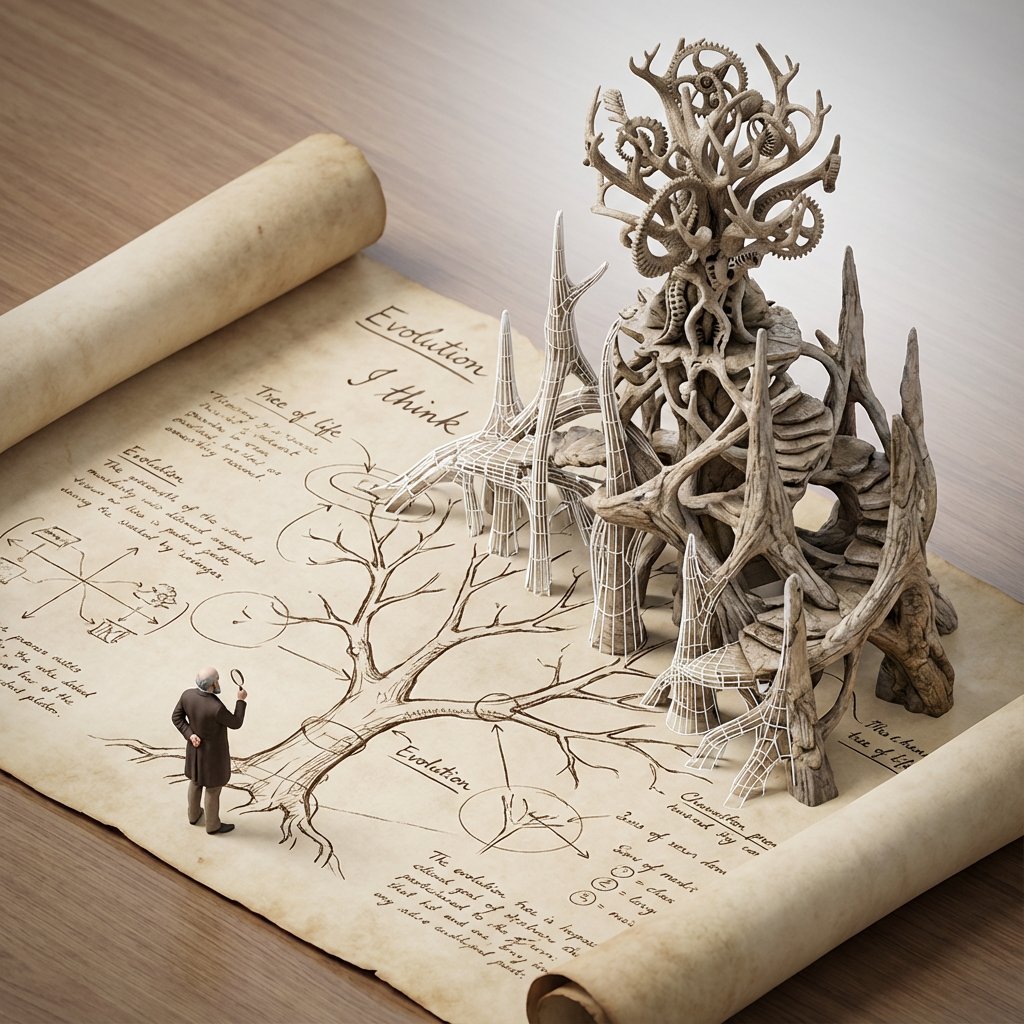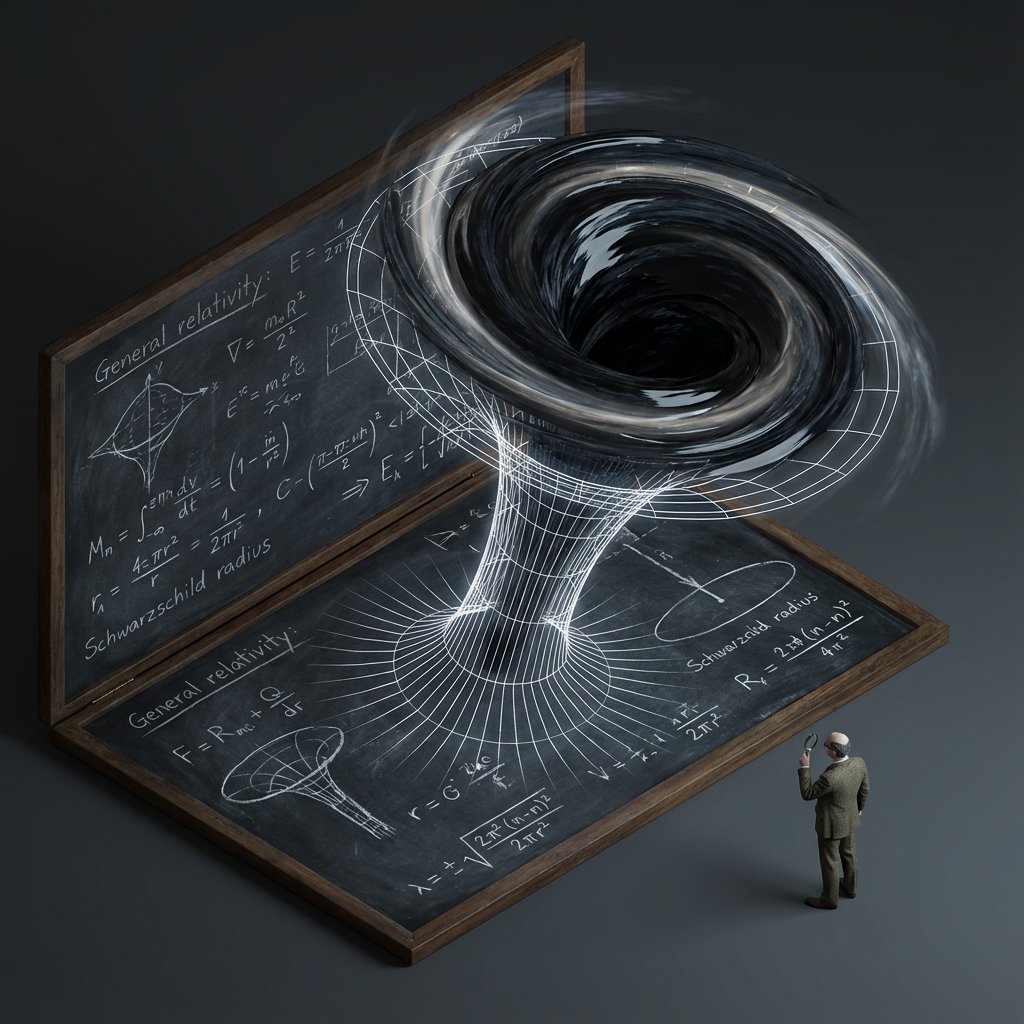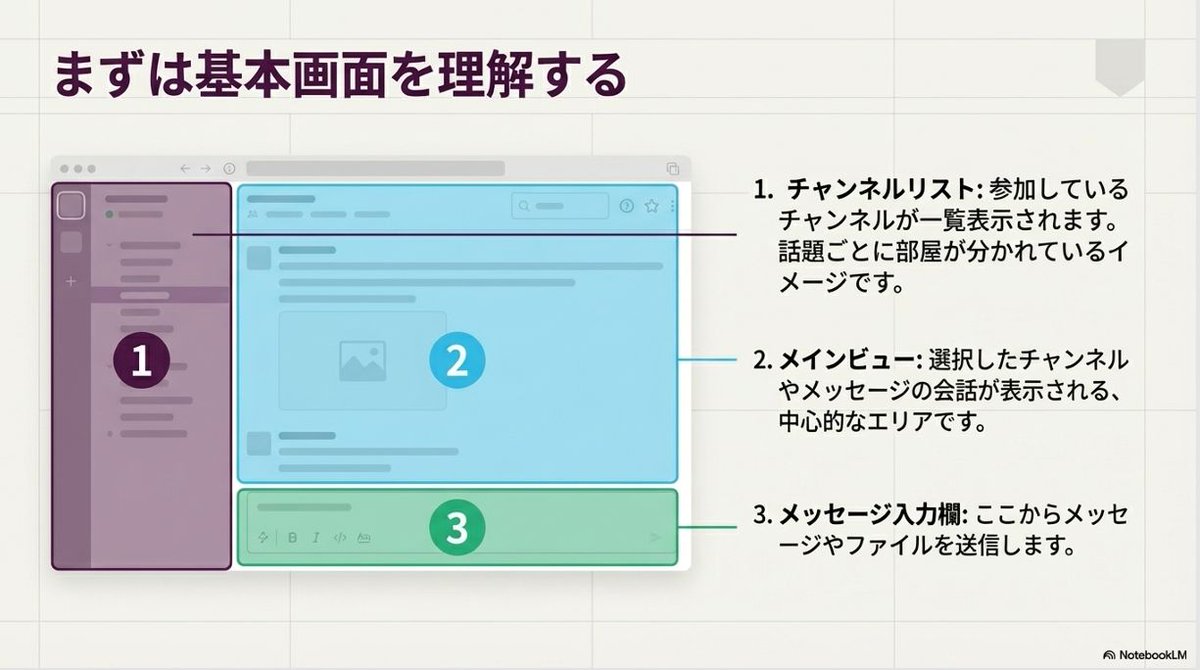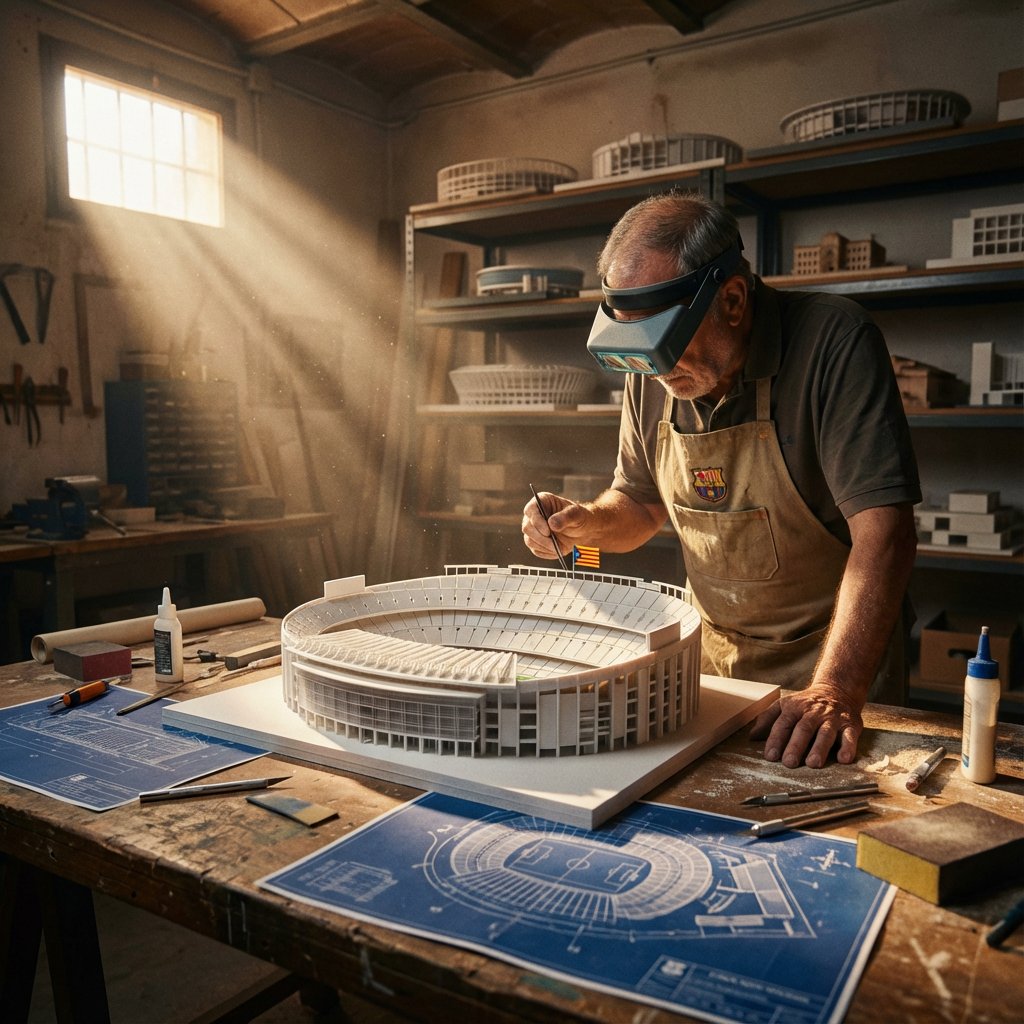
羊皮古卷上的等距生产演变史诗
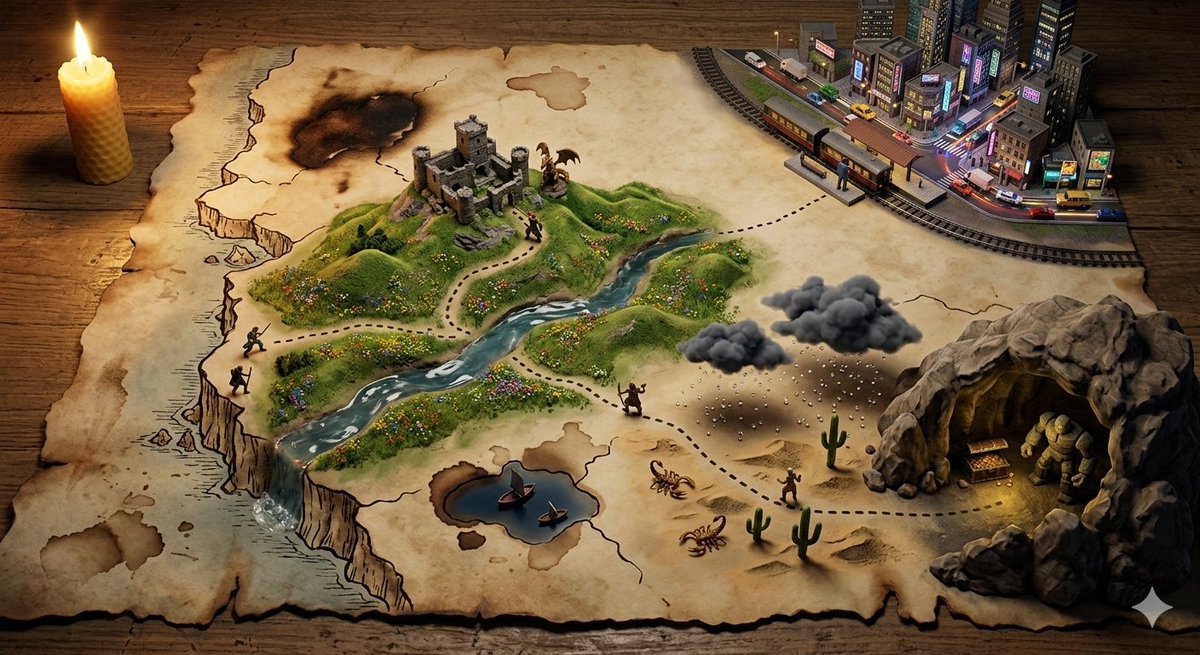
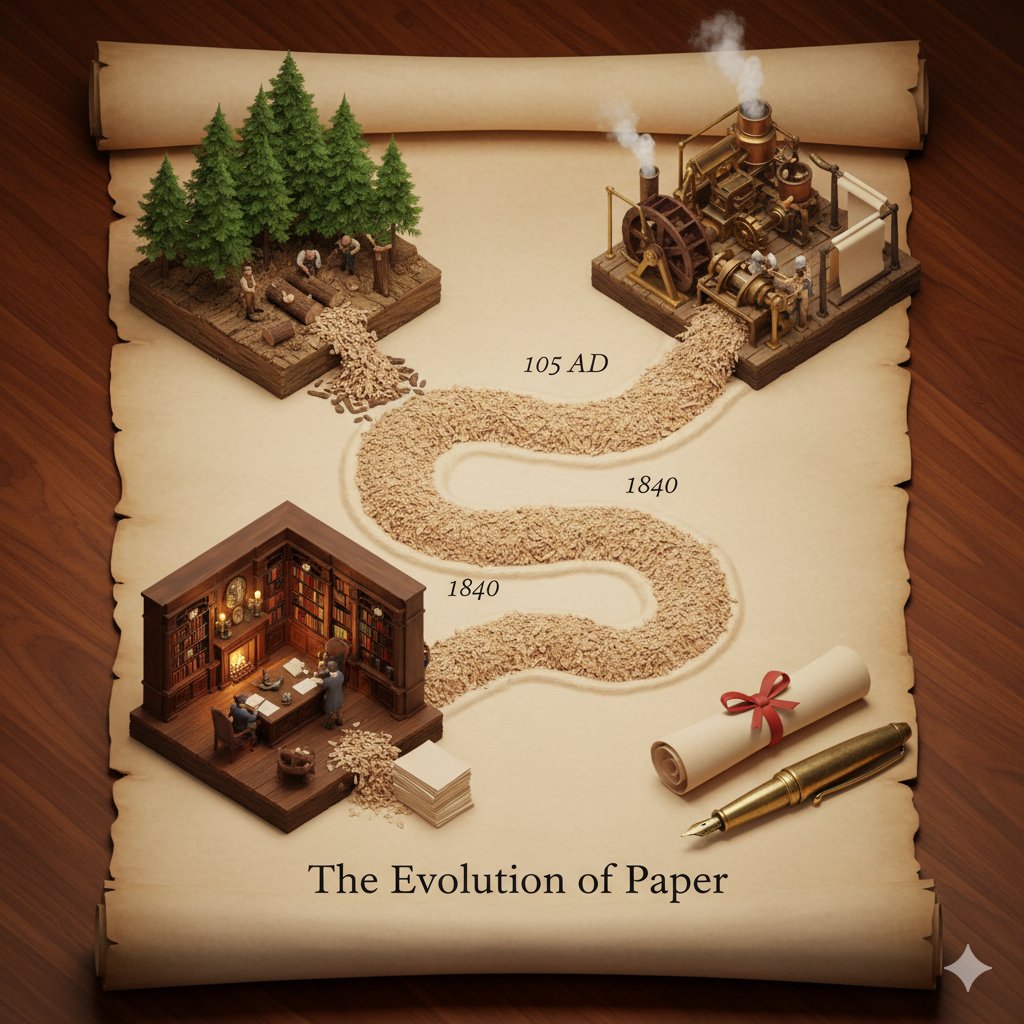
输入变量: [插入主题](例如,面包的历史、威士忌的酿造、丝绸的故事、纸张的演变) 系统指令: 生成一个超现实、等距 3D 场景模型,展示在一张展开的古董地图上。使用以下逻辑程序化生成场景: 1. 解构: 分析输入:将主题分解为 3 个生产阶段(从自然到消费)。 材料路径:确定主题的原始单元(例如,咖啡豆、小麦粒、蚕茧、木屑)。这种材料将构成连接场景的物理“道路”。 2. 容器(图表): 物体:一张大号、有纹理的羊皮纸卷轴,边缘卷曲,展开在一张华丽的红木桌上。 布局:一条“S
- Category
- Charts & Infographics
- Model
- Nano Banana Pro
- Creator
- @Gdgtify
- Source language
- zh-CN
- Source ID
- 9753
- Published
- May 11, 2026
Full prompt
Input Variable: [INSERT TOPIC] (e.g., The History of Bread, The Making of Whiskey, The Story of Silk, The Evolution of Paper) System Instruction: Generate a hyper-realistic, isometric 3D diorama displayed on an unrolled antique map. Use the following logic to procedurally generate the scene: 1. Deconstruction: Analyze the Input: Break the topic into 3 Phases of Production (From Nature to Consumption). The Material Path: Identify the raw unit of the topic (e.g., Coffee Beans, Wheat Grains, Silk Cocoons, Wood Chips). This material will form the physical "Road" connecting the scenes. 2. Container (The Chart): The Object: A large, textured Parchment Scroll with curled edges, unrolled on a rich Mahogany wooden table. The Layout: An "S-Curve" Path winds through the center of the scroll, connecting three distinct raised platforms. The Timeline: Delicate black ink timeline markers (dates like 1600, 1850, 1920) run alongside the path. 3. Vignettes (The Production Line): CRITICAL: Do not generate Sci-Fi. Stick to Historic and Modern Classic aesthetics. Top Left - The Source): Concept: The Agricultural or Raw Origin. Visuals: Rows of crops, a mine, or a forest growing directly out of a wooden block base. Figures: Tiny farmers or laborers in period-appropriate rustic clothing harvesting the raw material. Top Right - The Industry): Concept: The Processing and Refinement (Industrial Revolution Era). Visuals: A factory or mill with Copper Stills, Brass Gears, Smokestacks, or Water Wheels . Figures: Workers operating machinery, steam rising from vents. Bottom Left - The Experience): Concept: The Final Consumption (The "Golden Age"). Visuals: A warm, inviting interior. A Victorian Pub, a Parisian Cafe, a Tailor Shop, or a Library. Figures: Patrons enjoying the finished product in a social setting. 4. The "Hero" Object (Bottom Right): Instead of a fourth building, the path ends at a Life-Sized "Hero" Object sitting on the paper. (e.g., A perfect porcelain Cup of Coffee, A Loaf of Sourdough, A Crystal Whiskey Tumbler). 5. Visual Syntax: The Path: The road connecting the buildings is NOT dirt or asphalt. It is a River of the Raw Material (e.g., A road paved with Coffee Beans or Wheat grains). Typography: An elegant Serif Header at the bottom: "The Evolution of [Input]". Lighting: Warm, indoor "Library" lighting. Soft shadows, rich wood tones, no harsh neons. Output: ONE image, 1:1 Aspect Ratio, Isometric Diorama, "Anno 1800" Strategy Game Aesthetic, High Texture,
Translations
羊皮古卷上的等距生产演变史诗
enInput Variable: [INSERT TOPIC] (e.g., The History of Bread, The Making of Whiskey, The Story of Silk, The Evolution of Paper) System Instruction: Generate a hyper-realistic, isometric 3D diorama displayed on an unrolled antique map. Use the following logic to procedurally generate the scene: 1. Deconstruction: Analyze the Input: Break the topic into 3 Phases of Production (From Nature to Consumption). The Material Path: Identify the raw unit of the topic (e.g., Coffee Beans, Wheat Grains, Silk Cocoons, Wood Chips). This material will form the physical "Road" connecting the scenes. 2. Container (The Chart): The Object: A large, textured Parchment Scroll with curled edges, unrolled on a rich Mahogany wooden table. The Layout: An "S-Curve" Path winds through the center of the scroll, connecting three distinct raised platforms. The Timeline: Delicate black ink timeline markers (dates like 1600, 1850, 1920) run alongside the path. 3. Vignettes (The Production Line): CRITICAL: Do not generate Sci-Fi. Stick to Historic and Modern Classic aesthetics. Top Left - The Source): Concept: The Agricultural or Raw Origin. Visuals: Rows of crops, a mine, or a forest growing directly out of a wooden block base. Figures: Tiny farmers or laborers in period-appropriate rustic clothing harvesting the raw material. Top Right - The Industry): Concept: The Processing and Refinement (Industrial Revolution Era). Visuals: A factory or mill with Copper Stills, Brass Gears, Smokestacks, or Water Wheels . Figures: Workers operating machinery, steam rising from vents. Bottom Left - The Experience): Concept: The Final Consumption (The "Golden Age"). Visuals: A warm, inviting interior. A Victorian Pub, a Parisian Cafe, a Tailor Shop, or a Library. Figures: Patrons enjoying the finished product in a social setting. 4. The "Hero" Object (Bottom Right): Instead of a fourth building, the path ends at a Life-Sized "Hero" Object sitting on the paper. (e.g., A perfect porcelain Cup of Coffee, A Loaf of Sourdough, A Crystal Whiskey Tumbler). 5. Visual Syntax: The Path: The road connecting the buildings is NOT dirt or asphalt. It is a River of the Raw Material (e.g., A road paved with Coffee Beans or Wheat grains). Typography: An elegant Serif Header at the bottom: "The Evolution of [Input]". Lighting: Warm, indoor "Library" lighting. Soft shadows, rich wood tones, no harsh neons. Output: ONE image, 1:1 Aspect Ratio, Isometric Diorama, "Anno 1800" Strategy Game Aesthetic, High Texture,
羊皮古卷上的等距生产演变史诗
zh-CN输入变量: [插入主题](例如,面包的历史、威士忌的酿造、丝绸的故事、纸张的演变) 系统指令: 生成一个超现实、等距 3D 场景模型,展示在一张展开的古董地图上。使用以下逻辑程序化生成场景: 1. 解构: 分析输入:将主题分解为 3 个生产阶段(从自然到消费)。 材料路径:确定主题的原始单元(例如,咖啡豆、小麦粒、蚕茧、木屑)。这种材料将构成连接场景的物理“道路”。 2. 容器(图表): 物体:一张大号、有纹理的羊皮纸卷轴,边缘卷曲,展开在一张华丽的红木桌上。 布局:一条“S 形曲线”路径蜿蜒穿过卷轴中心,连接着三个不同的凸起平台。 时间线:精致的黑色墨水时间线标记(例如 1600、1850、1920 年)沿着路径延伸。 3. 小插曲(生产线): 关键:不要生成科幻内容。坚持历史和现代经典美学。 左上方——源头: 概念:农业或原材料的起源。 视觉效果:成排的庄稼、矿井或直接从木块基座中生长的森林。 人物:身着符合时代特色的乡村服装的微型农民或劳工正在收割原材料。 右上方——工业: 概念:加工和精炼(工业革命时代)。 视觉效果:一座工厂或磨坊,带有铜制蒸馏器、黄铜齿轮、烟囱或水车。 人物:工人操作机器,蒸汽从通风口升腾。 左下方——体验: 概念:最终消费(“黄金时代”)。 视觉效果:一个温暖、诱人的室内场景。维多利亚时代的酒吧、巴黎咖啡馆、裁缝店或图书馆。 人物:顾客在社交环境中享用成品。 4. “英雄”物体(右下方): 路径的终点不是第四座建筑,而是一个放在纸上的真人大小的“英雄”物体。 (例如,一个完美的瓷咖啡杯、一条酸面包、一个水晶威士忌酒杯)。 5. 视觉语法: 路径:连接建筑物的道路不是泥土或沥青。它是一条原材料之河(例如,一条铺满咖啡豆或麦粒的道路)。 排版:底部有一个优雅的衬线标题:“[输入] 的演变”。 灯光:温暖的室内“图书馆”灯光。柔和的阴影,丰富的木质色调,没有刺眼的霓虹灯。 输出:一张图片,1:1 宽高比,等距场景模型,“Anno 1800”策略游戏美学,高纹理。