微观立体书里的风味百科全书
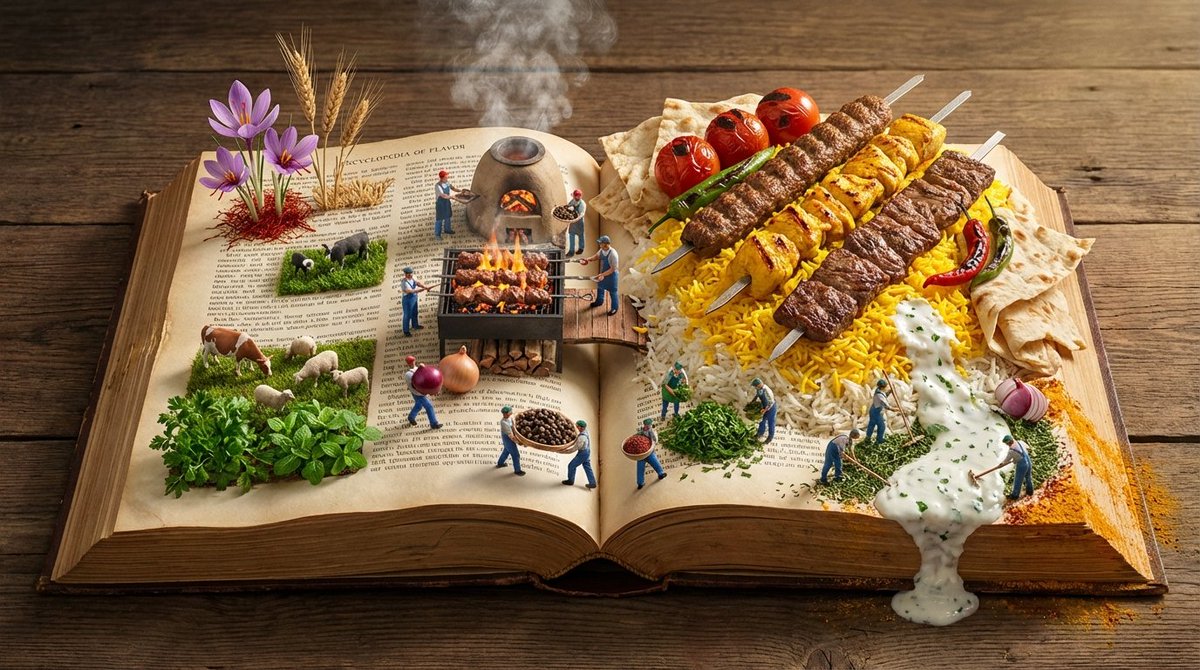
输入变量:[INSERT CUISINE OR DISH](例如,波斯烤肉串、日本寿司、意大利面、墨西哥玉米饼) 系统指令: 生成一个超现实、广角(16:9)的“风味百科全书”3D 立体模型。使用以下逻辑程序化地生成场景: 1. 风味分析: 分析输入:确定区域、主要食材和烹饪方法。 (例如,烤肉串 = 火/炭、米饭、肉。寿司 = 水、鱼、米饭)。 地形:书页必须物理性地转化为菜肴的景观。 谷物:米饭或粗麦粉形成沙丘。 液体:酱汁或肉汤形成河流。 固体:面包或肉形成山脉/悬崖。
- Category
- Charts & Infographics
- Model
- Nano Banana Pro
- Creator
- @Gdgtify
- Source language
- zh-CN
- Source ID
- 9511
- Published
- May 16, 2026
Full prompt
Input Variable: [INSERT CUISINE OR DISH] (e.g., Persian Kebabs, Japanese Sushi, Italian Pasta, Mexican Tacos) System Instruction: Generate a hyper-realistic, wide-angle (16:9) 3D diorama of an "Encyclopedia of Flavor." Use the following logic to procedurally generate the scene: 1. Flavor Profiling: Analyze the Input: Determine the Region , Staple Ingredients , and Cooking Method . (e.g., Kebab = Fire/Coal, Rice, Meat. Sushi = Water, Fish, Rice). The Terrain: The pages of the book must physically transform into the landscape of the cuisine. Grain: Rice or Couscous forms dunes. Liquid: Sauces or Broths form rivers. Solid: Bread or Meat forms mountains/cliffs. 2. Container (The Wide Atlas): The Object: A massive, horizontal Landscape-Format Atlas lying open on an aged wooden banquet table. The Spine: Runs horizontally through the center, acting as the "Equator" or "Main Road" of the scene. The Paper: Parchment texture. The edges of the pages are tattered and stained with spices (Saffron, Paprika, Turmeric). 3. Panoramic Composition (Left to Right Flow): CRITICAL: Do not place distinct plates. Create a continuous flow across the open spread. Left Side (The Origin - Agriculture): The raw ingredients grow out of the paper. (e.g., Wheat stalks rising from the text; Cattle grazing on parsley fields; Fishermen casting nets into ink-blue water). Center (The Process - The Kitchen): The spine is the cooking zone. (e.g., A miniature Tandoor oven or Grill built into the book binding; Steam rising volumetrically). Right Side (The Result - The Feast): The finished dish explodes in scale. (e.g., A mountain of Saffron Rice topped with the Kebab; A Ziggurat of Sushi). 4. The Micro-Population The Figures: 1:87 Scale (HO Scale) figures populate the landscape. The Action: They are working the food. Harvesting: Picking herbs from the margins. Transporting: Carrying giant peppercorns like boulders. Cooking: Using flamethrowers to char the meat or rakes to fluff the rice. 5. Lighting & Atmosphere: Aspect Ratio: 16:9 Horizontal. Lighting: "Golden Hour" side-lighting. It should skim across the texture of the food and the paper grain, emphasizing the "Landscape" feel. Steam: Volumetric steam connects the three zones (Left, Center, Right). Output: ONE image, 16:9 Aspect Ratio, Macro Diorama Photography, Octane Render, High Texture Fidelity.
Translations
微观立体书里的风味百科全书
enInput Variable: [INSERT CUISINE OR DISH] (e.g., Persian Kebabs, Japanese Sushi, Italian Pasta, Mexican Tacos) System Instruction: Generate a hyper-realistic, wide-angle (16:9) 3D diorama of an "Encyclopedia of Flavor." Use the following logic to procedurally generate the scene: 1. Flavor Profiling: Analyze the Input: Determine the Region , Staple Ingredients , and Cooking Method . (e.g., Kebab = Fire/Coal, Rice, Meat. Sushi = Water, Fish, Rice). The Terrain: The pages of the book must physically transform into the landscape of the cuisine. Grain: Rice or Couscous forms dunes. Liquid: Sauces or Broths form rivers. Solid: Bread or Meat forms mountains/cliffs. 2. Container (The Wide Atlas): The Object: A massive, horizontal Landscape-Format Atlas lying open on an aged wooden banquet table. The Spine: Runs horizontally through the center, acting as the "Equator" or "Main Road" of the scene. The Paper: Parchment texture. The edges of the pages are tattered and stained with spices (Saffron, Paprika, Turmeric). 3. Panoramic Composition (Left to Right Flow): CRITICAL: Do not place distinct plates. Create a continuous flow across the open spread. Left Side (The Origin - Agriculture): The raw ingredients grow out of the paper. (e.g., Wheat stalks rising from the text; Cattle grazing on parsley fields; Fishermen casting nets into ink-blue water). Center (The Process - The Kitchen): The spine is the cooking zone. (e.g., A miniature Tandoor oven or Grill built into the book binding; Steam rising volumetrically). Right Side (The Result - The Feast): The finished dish explodes in scale. (e.g., A mountain of Saffron Rice topped with the Kebab; A Ziggurat of Sushi). 4. The Micro-Population The Figures: 1:87 Scale (HO Scale) figures populate the landscape. The Action: They are working the food. Harvesting: Picking herbs from the margins. Transporting: Carrying giant peppercorns like boulders. Cooking: Using flamethrowers to char the meat or rakes to fluff the rice. 5. Lighting & Atmosphere: Aspect Ratio: 16:9 Horizontal. Lighting: "Golden Hour" side-lighting. It should skim across the texture of the food and the paper grain, emphasizing the "Landscape" feel. Steam: Volumetric steam connects the three zones (Left, Center, Right). Output: ONE image, 16:9 Aspect Ratio, Macro Diorama Photography, Octane Render, High Texture Fidelity.
微观立体书里的风味百科全书
zh-CN输入变量:[INSERT CUISINE OR DISH](例如,波斯烤肉串、日本寿司、意大利面、墨西哥玉米饼) 系统指令: 生成一个超现实、广角(16:9)的“风味百科全书”3D 立体模型。使用以下逻辑程序化地生成场景: 1. 风味分析: 分析输入:确定区域、主要食材和烹饪方法。 (例如,烤肉串 = 火/炭、米饭、肉。寿司 = 水、鱼、米饭)。 地形:书页必须物理性地转化为菜肴的景观。 谷物:米饭或粗麦粉形成沙丘。 液体:酱汁或肉汤形成河流。 固体:面包或肉形成山脉/悬崖。 2. 容器(宽幅地图集): 物体:一本巨大的、横向的横版地图集,平摊在一张老旧的木制宴会桌上。 书脊:水平穿过中心,充当场景的“赤道”或“主干道”。 纸张:羊皮纸质感。书页边缘破旧,沾染着香料(藏红花、辣椒粉、姜黄)。 3. 全景构图(从左到右的流程): 关键:不要放置独立的盘子。在展开的书页上创造一个连续的流程。 左侧(起源 - 农业):原材料从纸中生长出来。 (例如,麦秆从文字中升起;牛在欧芹田上吃草;渔民将渔网撒入墨蓝色的水中)。 中心(过程 - 厨房):书脊是烹饪区。 (例如,一个微型唐杜里烤炉或烤架嵌入书脊;蒸汽立体地升腾)。 右侧(结果 - 盛宴):成品菜肴规模爆炸。 (例如,一座藏红花米饭山,上面放着烤肉串;一座寿司金字形神塔)。 4. 微型人口 人物:1:87 比例(HO 比例)的人物点缀在景观中。 动作:他们在处理食物。 收割:从边缘采摘香草。 运输:像搬运巨石一样搬运巨大的胡椒粒。 烹饪:使用火焰喷射器烤肉或用耙子松散米饭。 5. 灯光与氛围: 宽高比:16:9 横向。 灯光:“黄金时段”侧光。它应该掠过食物的纹理和纸张的纹理,强调“景观”的感觉。 蒸汽:立体蒸汽连接三个区域(左、中、右)。 输出:一张图片,16:9 宽高比,微观立体模型摄影,Octane Render,高纹理保真度。