岩板四味符号
输入 A 是一个数学符号、字母或常数(例如 Pi、Sigma、Infinity、Delta)。 生成 4 种不同的烹饪介质来呈现该符号: 介质 1(液体):一种粘稠的酱汁或蘸料(例如红色 Salsa、Pesto、融化巧克力)。 介质 2(颗粒):一种谷物或组合单元(例如寿司米饭、玉米粒、咖啡豆)。 介质 3(固体):一种烘焙或烹饪结构(例如披萨饼皮、椒盐卷饼面团、烤肉)。 介质 4(粉末):一种鲜艳的香料或粉末(例如姜黄、面粉、抹茶粉)。 2. 容器 目标:“可食用字体”食物
- 分类
- 海报营销
- 模型
- Nano Banana Pro
- 来源作者
- @Gdgtify
- 原始语言
- zh-CN
- 来源 ID
- 2188
- 发布时间
- 2026年1月25日
完整提示词
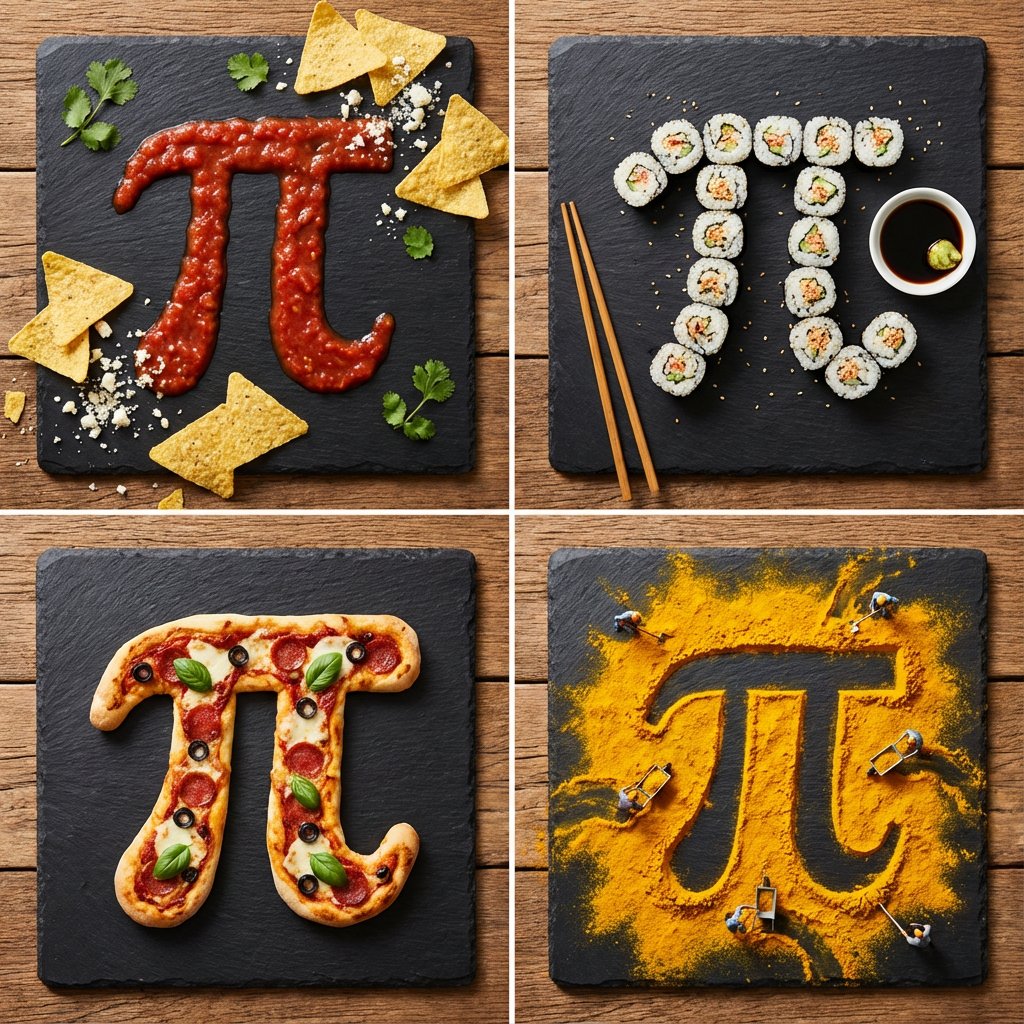
输入 A 是一个数学符号、字母或常数(例如 Pi、Sigma、Infinity、Delta)。
生成 4 种不同的烹饪介质来呈现该符号:
介质 1(液体):一种粘稠的酱汁或蘸料(例如红色 Salsa、Pesto、融化巧克力)。
介质 2(颗粒):一种谷物或组合单元(例如寿司米饭、玉米粒、咖啡豆)。
介质 3(固体):一种烘焙或烹饪结构(例如披萨饼皮、椒盐卷饼面团、烤肉)。
介质 4(粉末):一种鲜艳的香料或粉末(例如姜黄、面粉、抹茶粉)。

2. 容器
目标:“可食用字体”食物摄影。
格式:2x2 网格构图。
画布:每个面板展示一块带纹理的黑色岩板餐盘,置于质朴的木桌上。
主体:符号(输入 A)用该面板指定的介质在岩板中央塑形。

3. 构图(摆盘):
面板 1(液体/凌乱):用酱汁绘制符号。周围摆放蘸食小食(薯片、面包)与点缀(奶酪碎、香草)。
面板 2(颗粒/精确):用紧密排列的谷物或寿司卷拼成符号。周围放置工具(筷子、勺子)。
面板 3(固体/结构):符号被烘焙或雕刻,具有高度与 3D 体积。表面装饰配料(橄榄、意大利辣肠)。
面板 4(粉末/地形):符号以负形或堆叠香料脊线呈现。
微细节:1:87 比例小工人/矿工人偶与粉末互动,将其当作景观(铲姜黄、铺设轨道)。

4. 语法(激发食欲):
色彩:高饱和度。食物颜色(红色酱汁、黄色香料、白色米饭)必须在黑色石板上突出。
质感:酱汁可见水分,面包可见碎屑,香料可见颗粒。

输出:单张图像,1:1 宽高比,2x2 网格,食物摄影,“平铺”美学,高质感。
多语言版本
岩板四味符号
en<instruction> Input A is a Mathematical Symbol, Letter, or Constant (e.g., Pi, Sigma, Infinity, Delta). Generate 4 Distinct Culinary Mediums to render the symbol: Medium 1 (The Liquid): A viscous sauce or dip. (e.g., Red Salsa, Pesto, Melted Chocolate). Medium 2 (The Aggregate): A grain or assembled unit. (e.g., Sushi Rice, Corn Kernels, Coffee Beans). Medium 3 (The Solid): A baked or cooked structure. (e.g., Pizza Crust, Pretzel Dough, Grilled Meat). Medium 4 (The Powder): A vibrant spice or dust. (e.g., Turmeric, Flour, Matcha Powder). 2. Container Goal: "Edible Typography" Food Photography. Format: A 2x2 Grid Composition. The Canvas: Each panel features a textured Black Slate Serving Platter resting on a rustic wooden table. The Subject: The "Symbol" (Input A) is formed centrally on the slate using the specific Medium for that panel. 3. Composition (The Plating): Panel 1 (Liquid/Messy): The symbol is drawn in sauce. Surrounded by dipping items (Chips, Bread) and garnishes (Cheese crumbles, Herbs). Panel 2 (Aggregate/Precise): The symbol is formed by tightly packed grains or sushi rolls. Surrounded by tools (Chopsticks, Spoons). Panel 3 (Solid/Structural): The symbol is baked or carved. It has height and 3D volume. Decorated with toppings (Olives, Pepperoni). Panel 4 (Powder/Terrain): The symbol is negative space or a piled ridge of spice. Micro-Detail: Tiny 1:87 Scale Figures (Workers/Miners) are interacting with the powder, treating it like a landscape (shoveling the turmeric, laying tracks). 4. Syntax (Appetite Appeal): Color: High saturation. The food colors (Red sauce, Yellow spice, White rice) must pop against the black stone. Texture: Visible moisture in sauces, crumb in bread, and grain in spices. Output: ONE image, 1:1 Aspect Ratio, 2x2 Grid, Food Photography, "Flat Lay" aesthetic, High Texture. </instruction>
岩板四味符号
zh-CN输入 A 是一个数学符号、字母或常数(例如 Pi、Sigma、Infinity、Delta)。 生成 4 种不同的烹饪介质来呈现该符号: 介质 1(液体):一种粘稠的酱汁或蘸料(例如红色 Salsa、Pesto、融化巧克力)。 介质 2(颗粒):一种谷物或组合单元(例如寿司米饭、玉米粒、咖啡豆)。 介质 3(固体):一种烘焙或烹饪结构(例如披萨饼皮、椒盐卷饼面团、烤肉)。 介质 4(粉末):一种鲜艳的香料或粉末(例如姜黄、面粉、抹茶粉)。 2. 容器 目标:“可食用字体”食物摄影。 格式:2x2 网格构图。 画布:每个面板展示一块带纹理的黑色岩板餐盘,置于质朴的木桌上。 主体:符号(输入 A)用该面板指定的介质在岩板中央塑形。 3. 构图(摆盘): 面板 1(液体/凌乱):用酱汁绘制符号。周围摆放蘸食小食(薯片、面包)与点缀(奶酪碎、香草)。 面板 2(颗粒/精确):用紧密排列的谷物或寿司卷拼成符号。周围放置工具(筷子、勺子)。 面板 3(固体/结构):符号被烘焙或雕刻,具有高度与 3D 体积。表面装饰配料(橄榄、意大利辣肠)。 面板 4(粉末/地形):符号以负形或堆叠香料脊线呈现。 微细节:1:87 比例小工人/矿工人偶与粉末互动,将其当作景观(铲姜黄、铺设轨道)。 4. 语法(激发食欲): 色彩:高饱和度。食物颜色(红色酱汁、黄色香料、白色米饭)必须在黑色石板上突出。 质感:酱汁可见水分,面包可见碎屑,香料可见颗粒。 输出:单张图像,1:1 宽高比,2x2 网格,食物摄影,“平铺”美学,高质感。