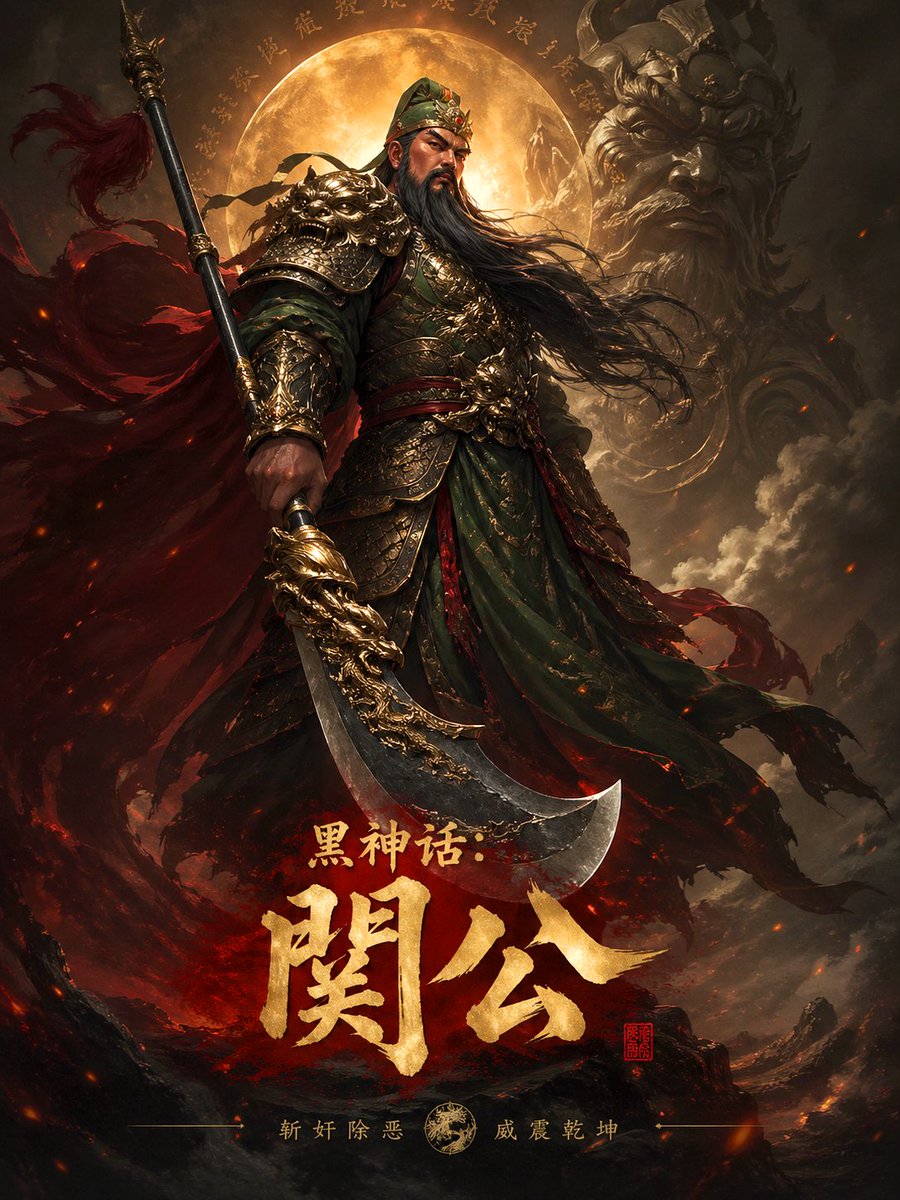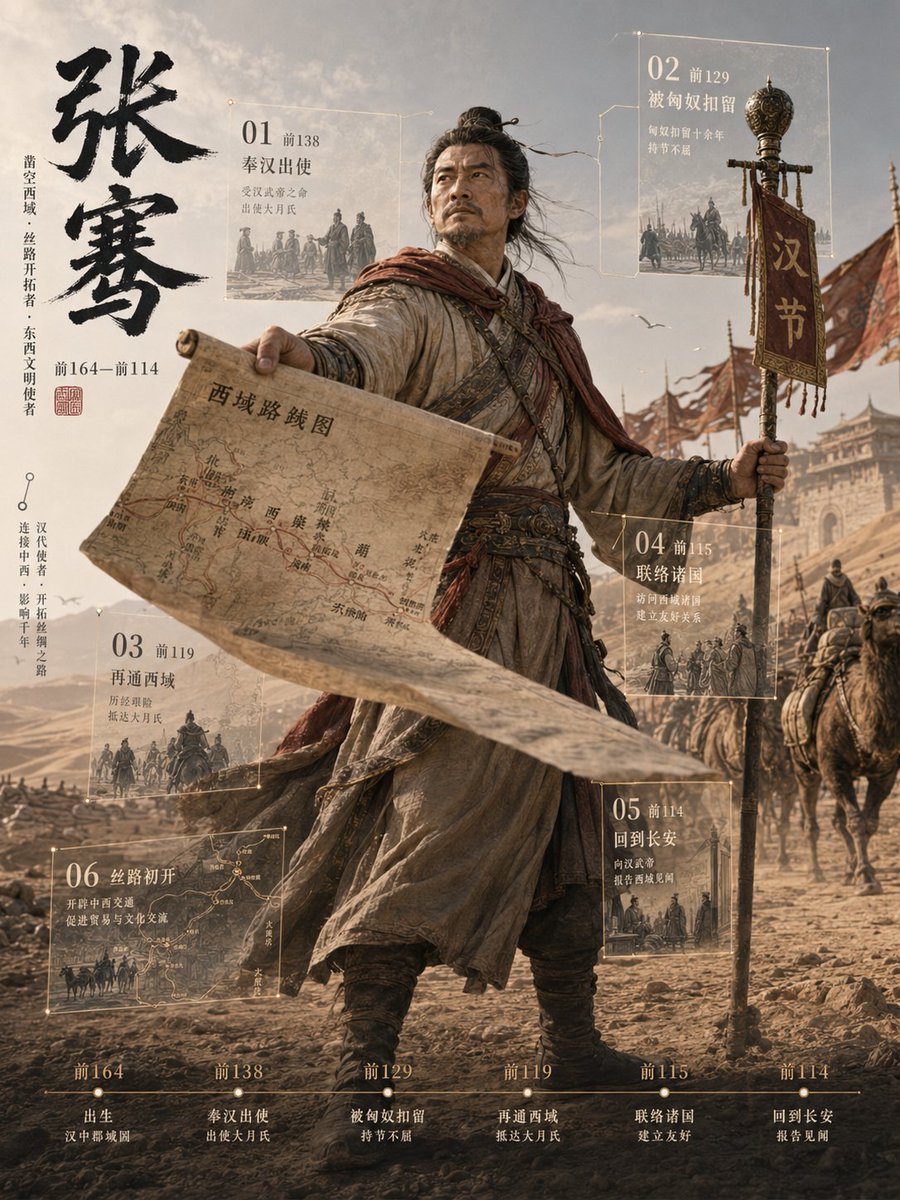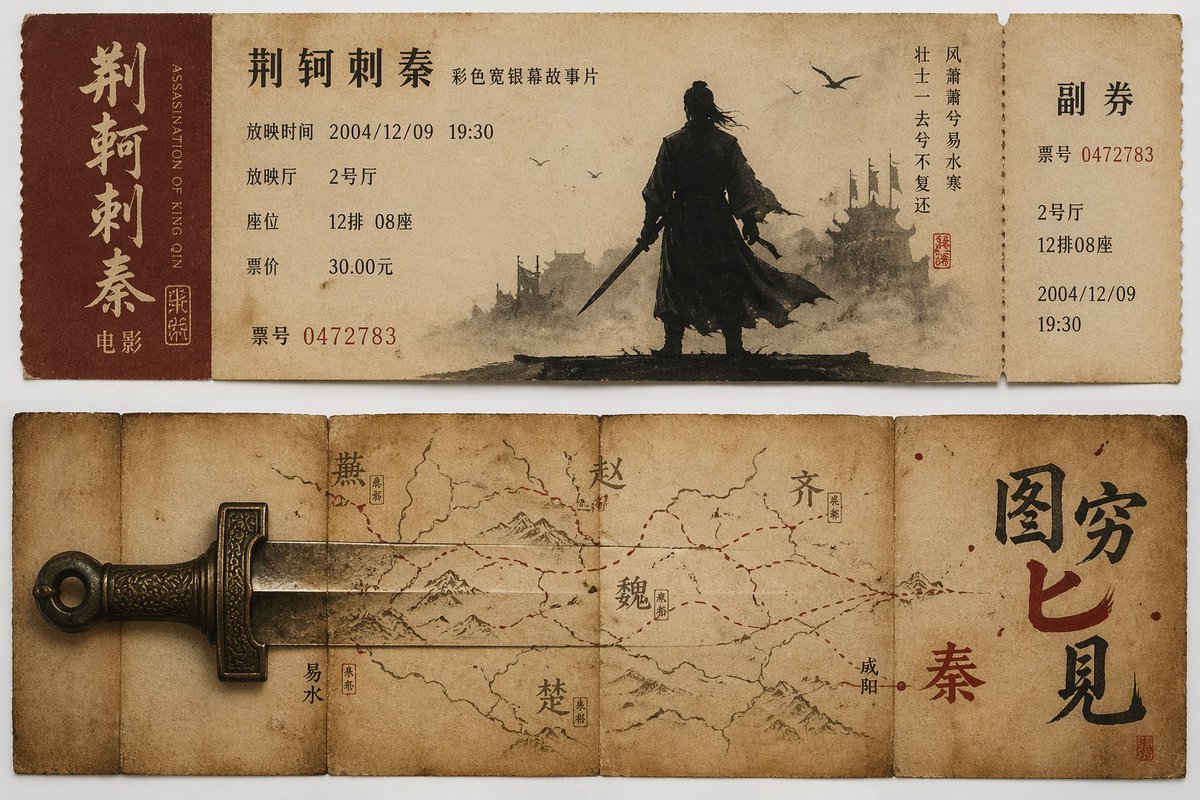
3D 历史人物传记海报模板
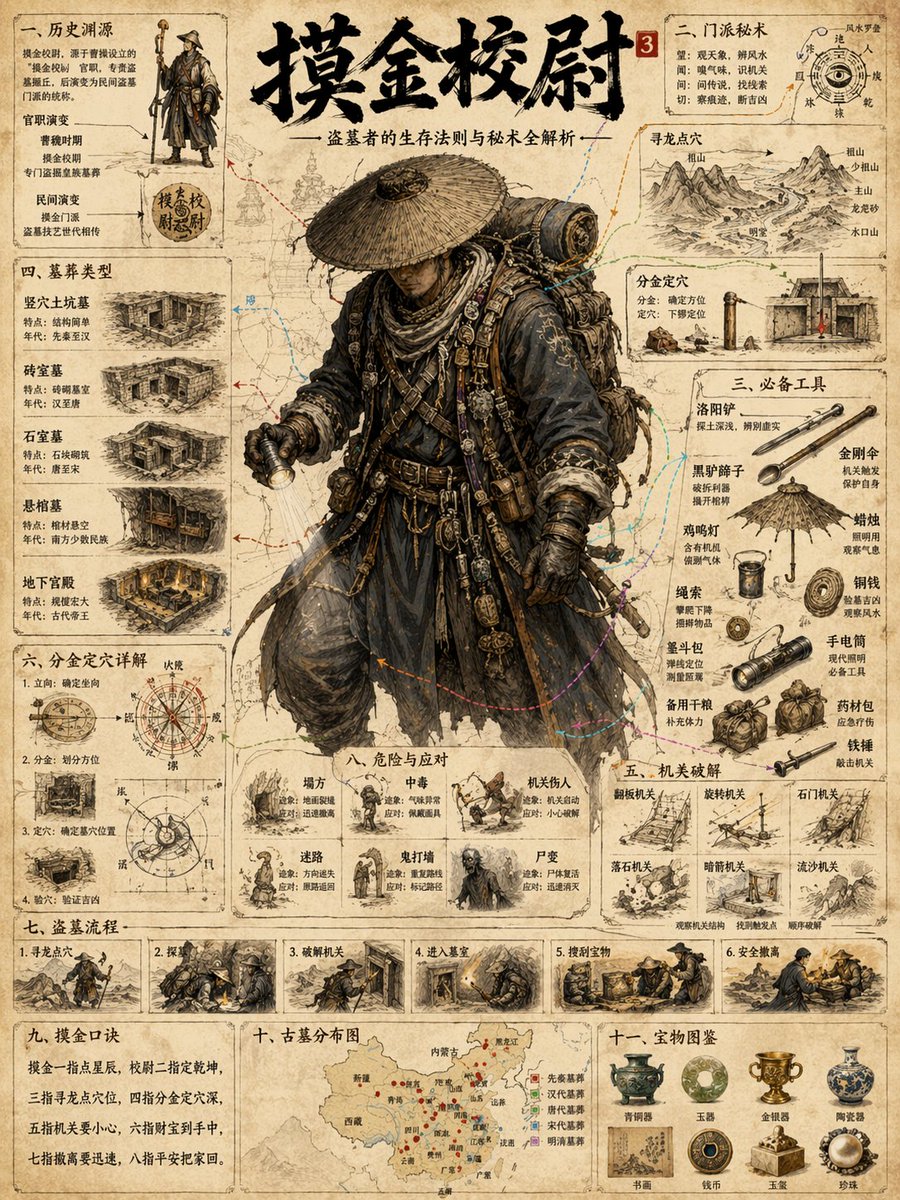
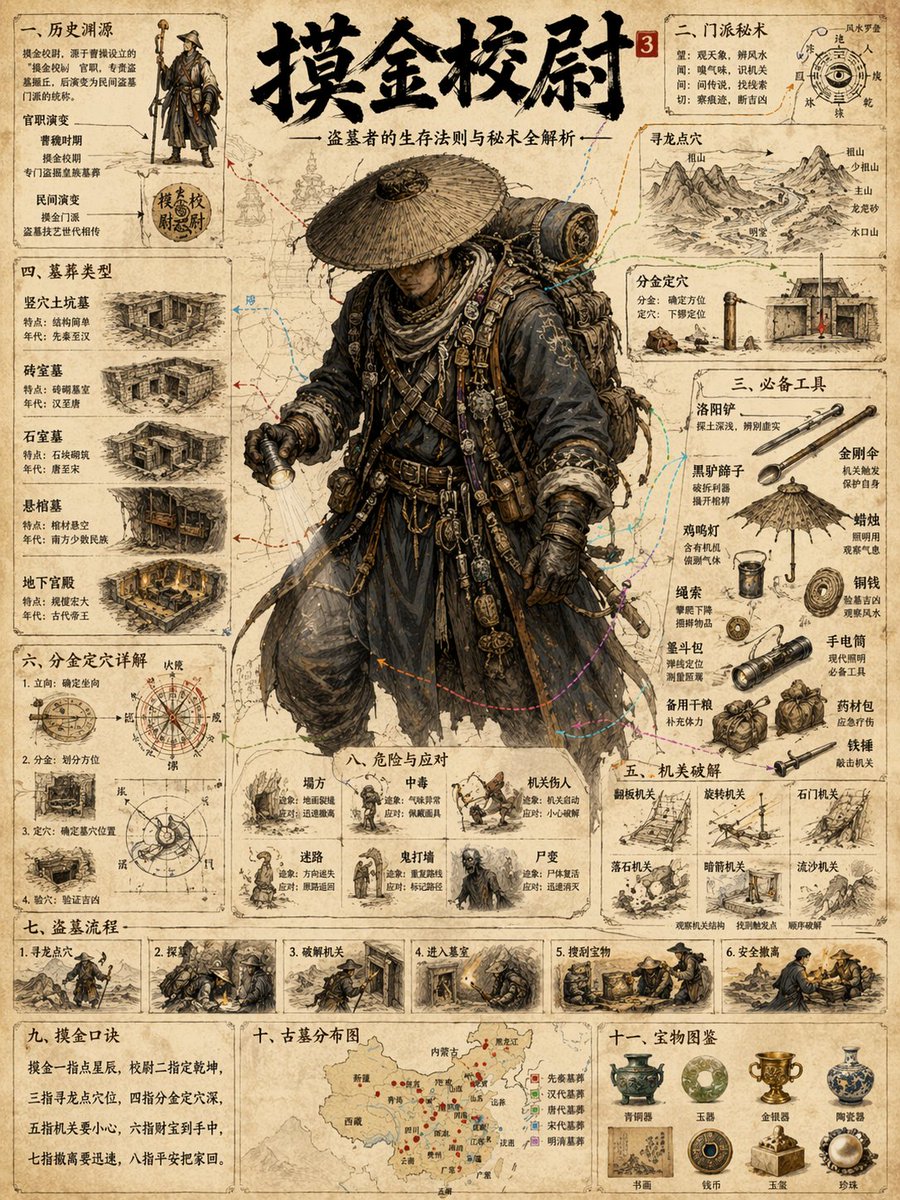
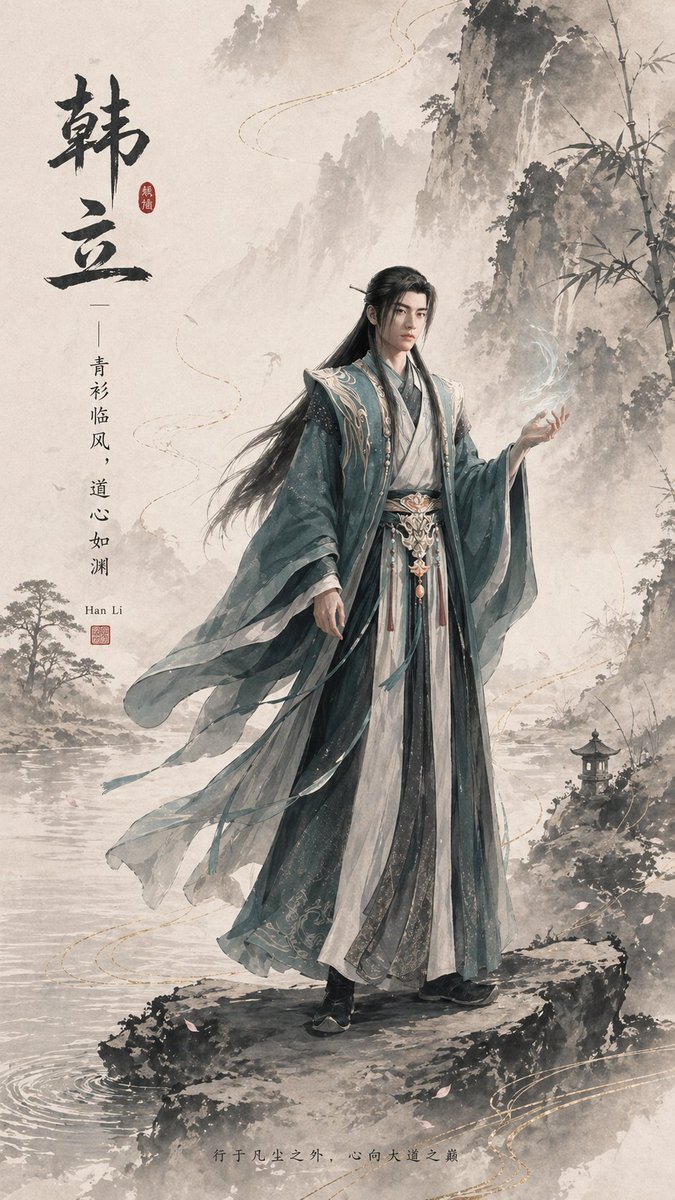
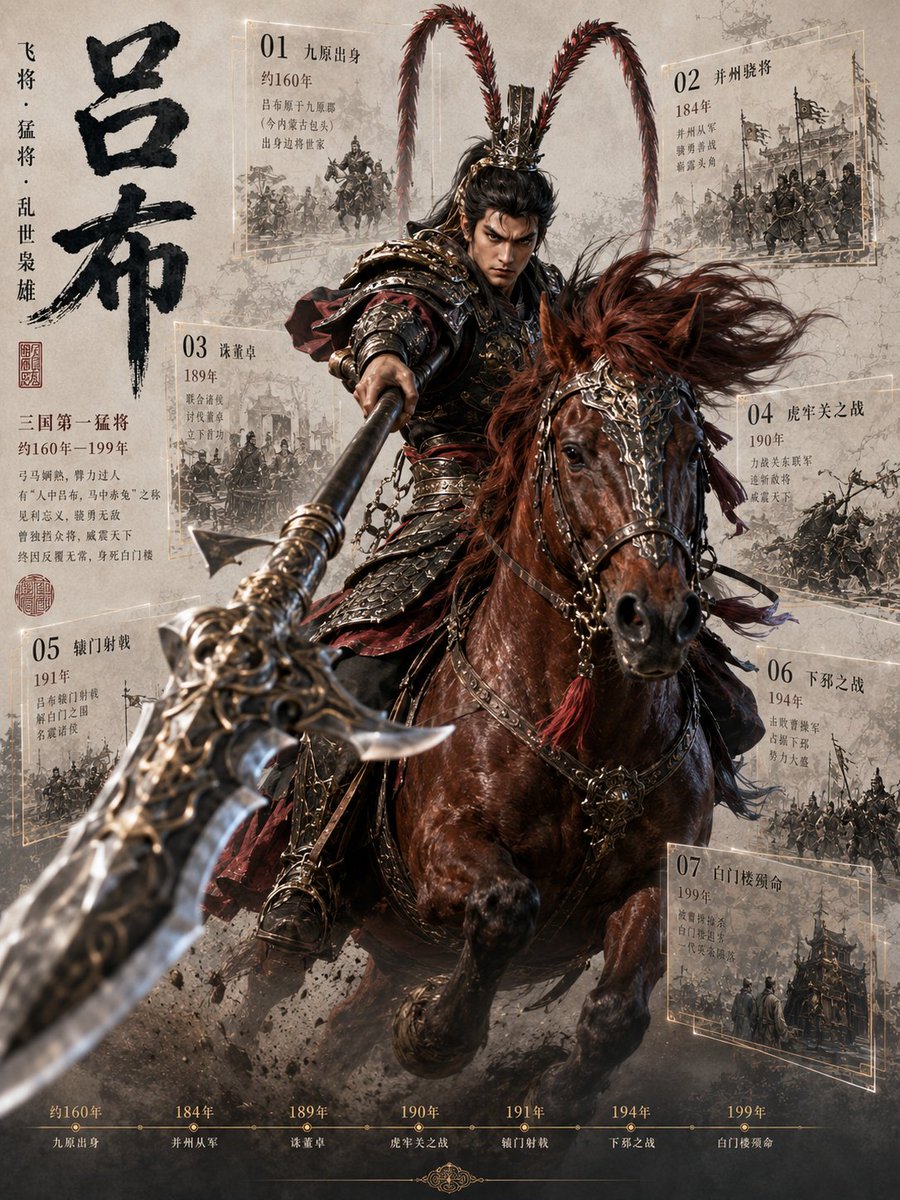
一套用于创作超精细 3D 电影感历史人物海报的综合提示词模板,融合了信息碎片与档案美学风格。
- 分类
- 图表信息图
- 模型
- GPT Image 2
- 来源作者
- Rossy
- 原始语言
- en
- 来源 ID
- 19481
- 发布时间
- 2026年5月10日
完整提示词
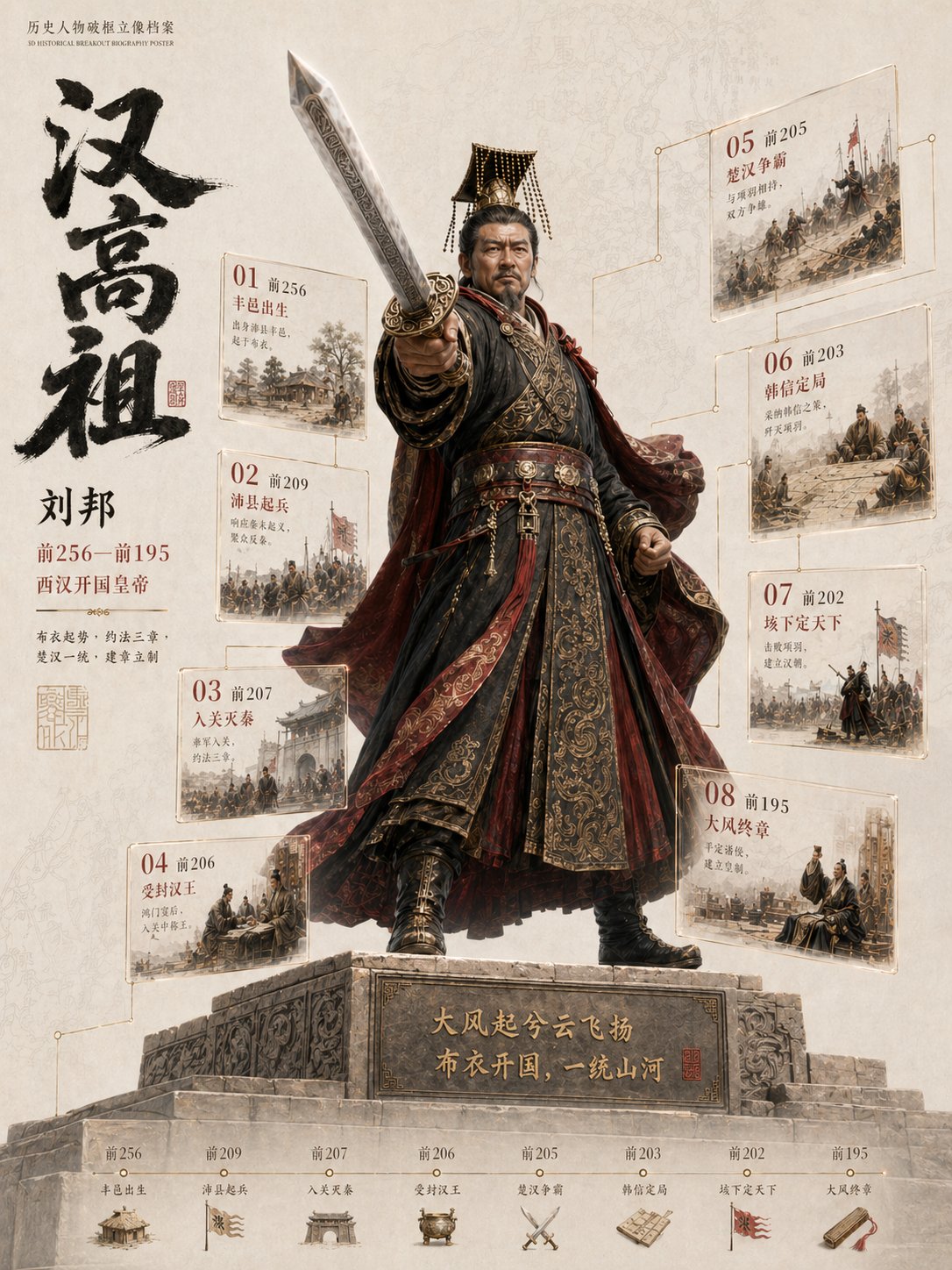
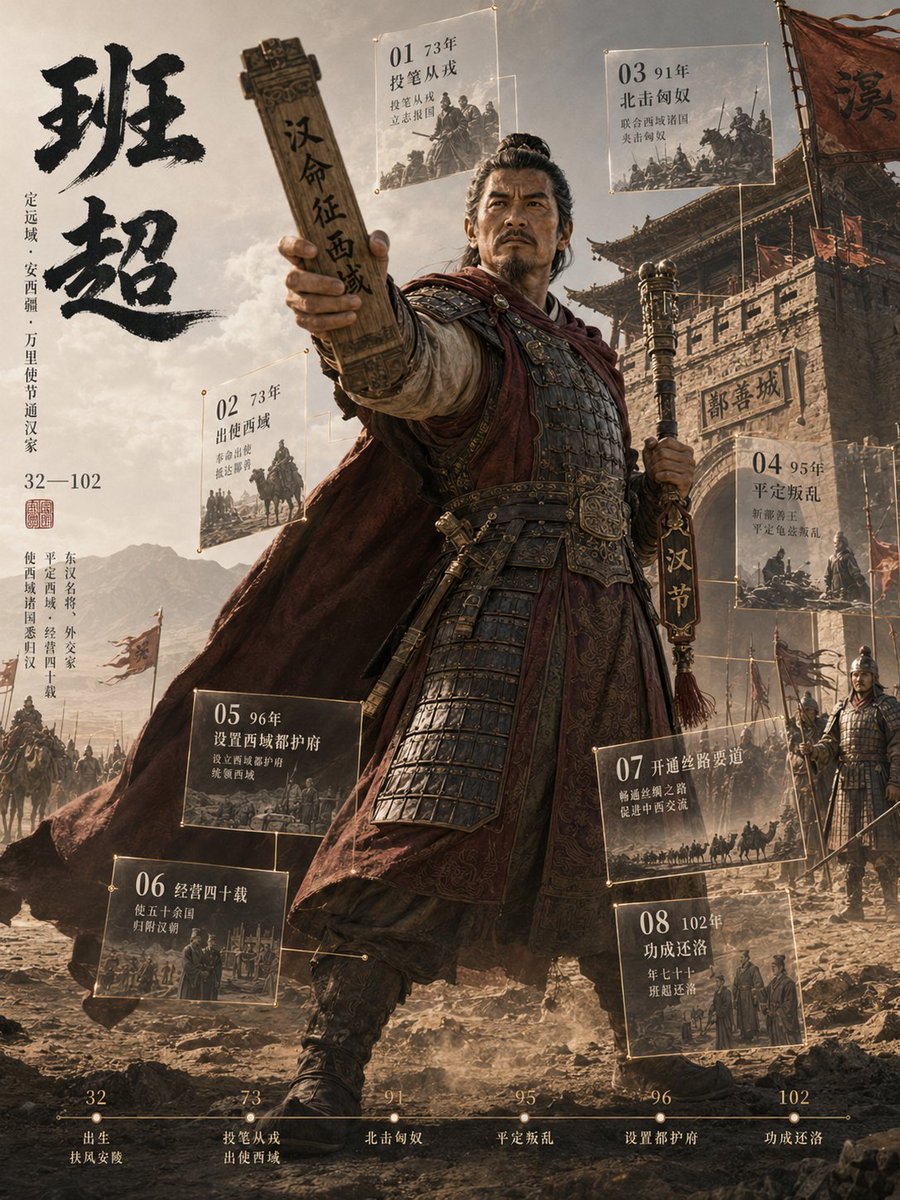
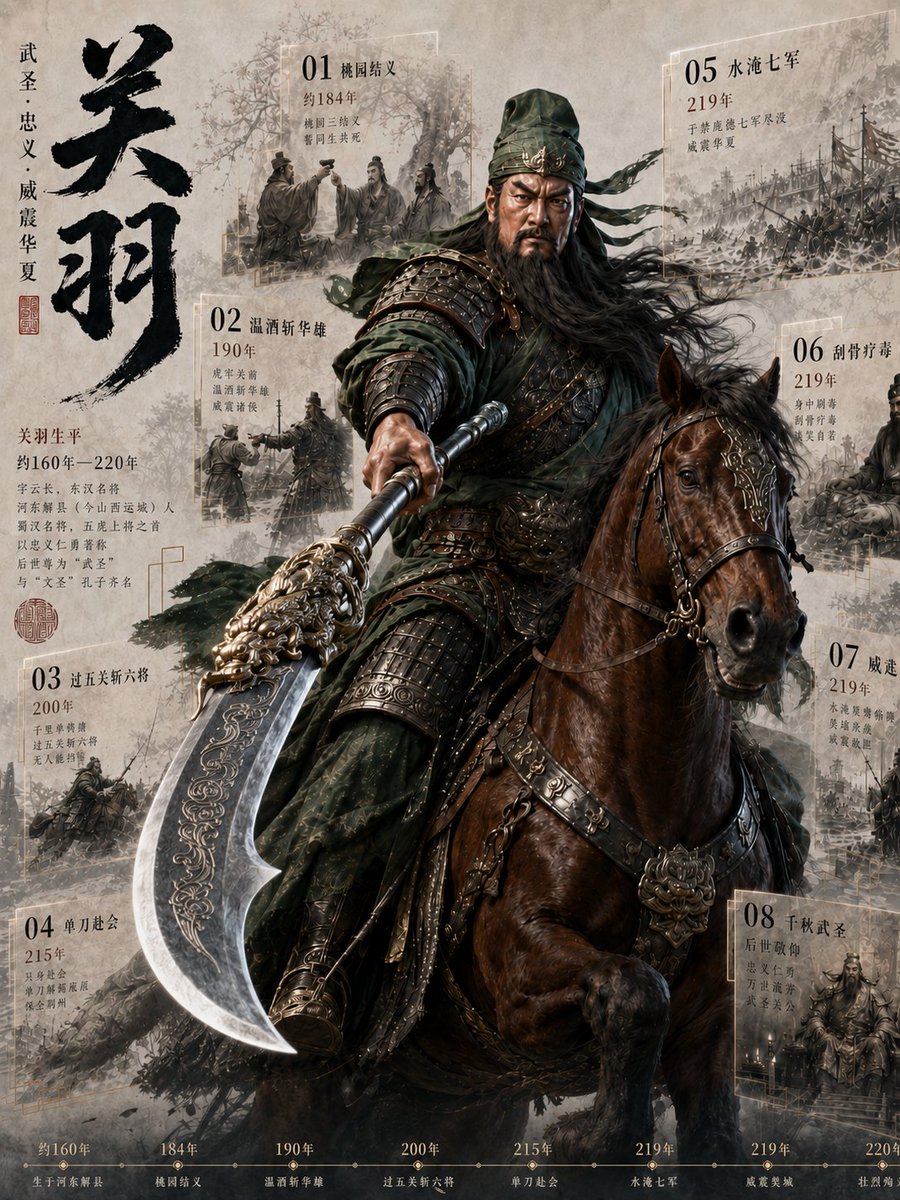
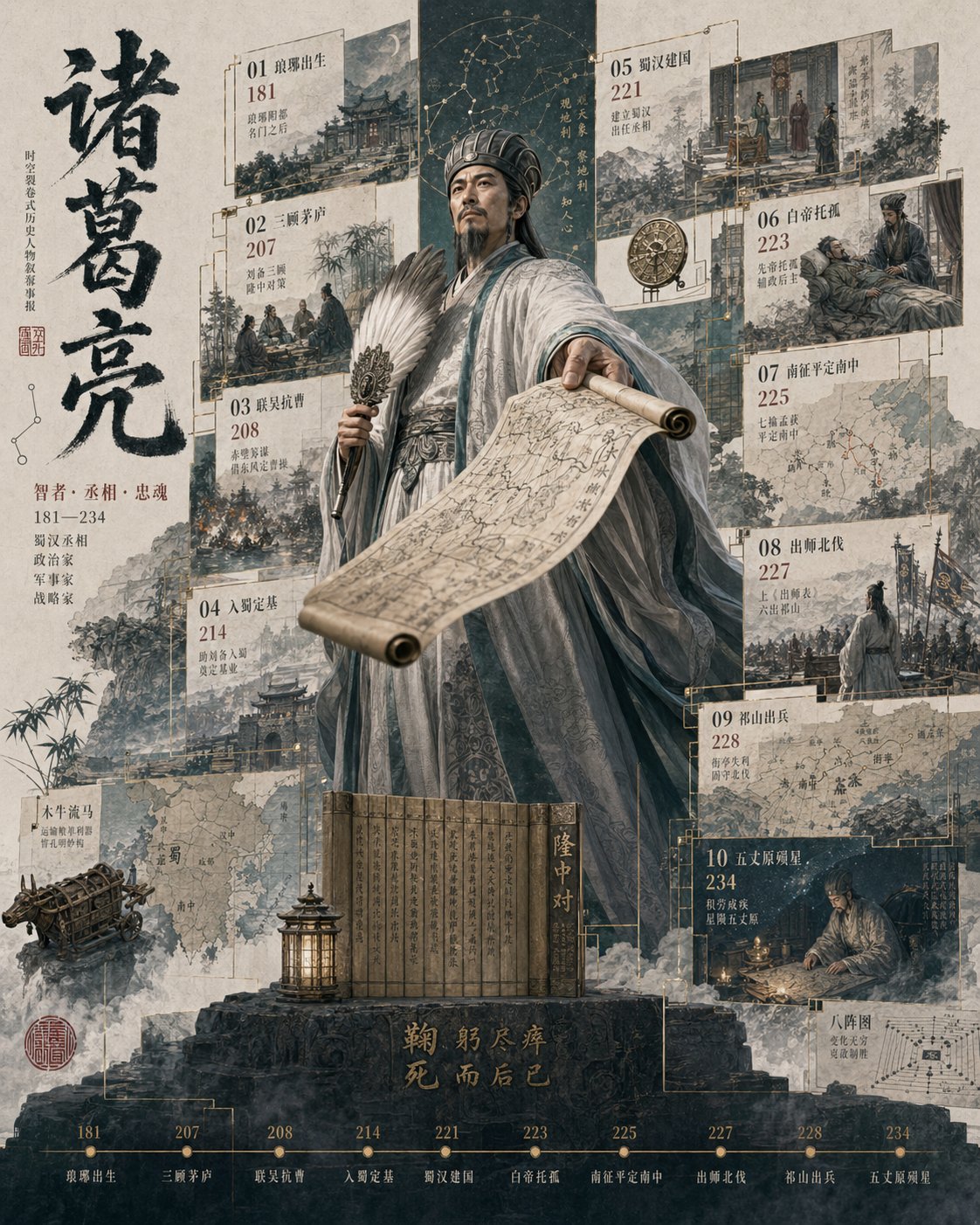
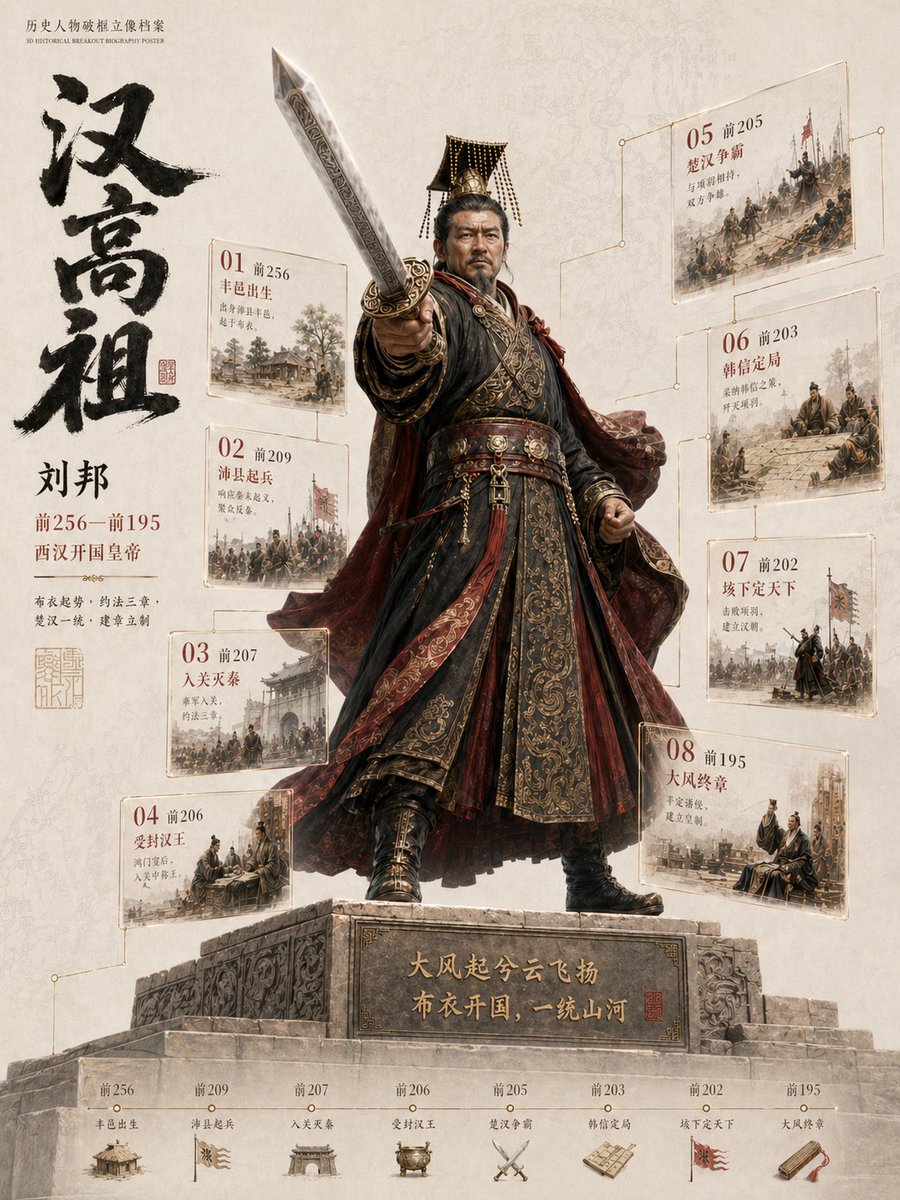
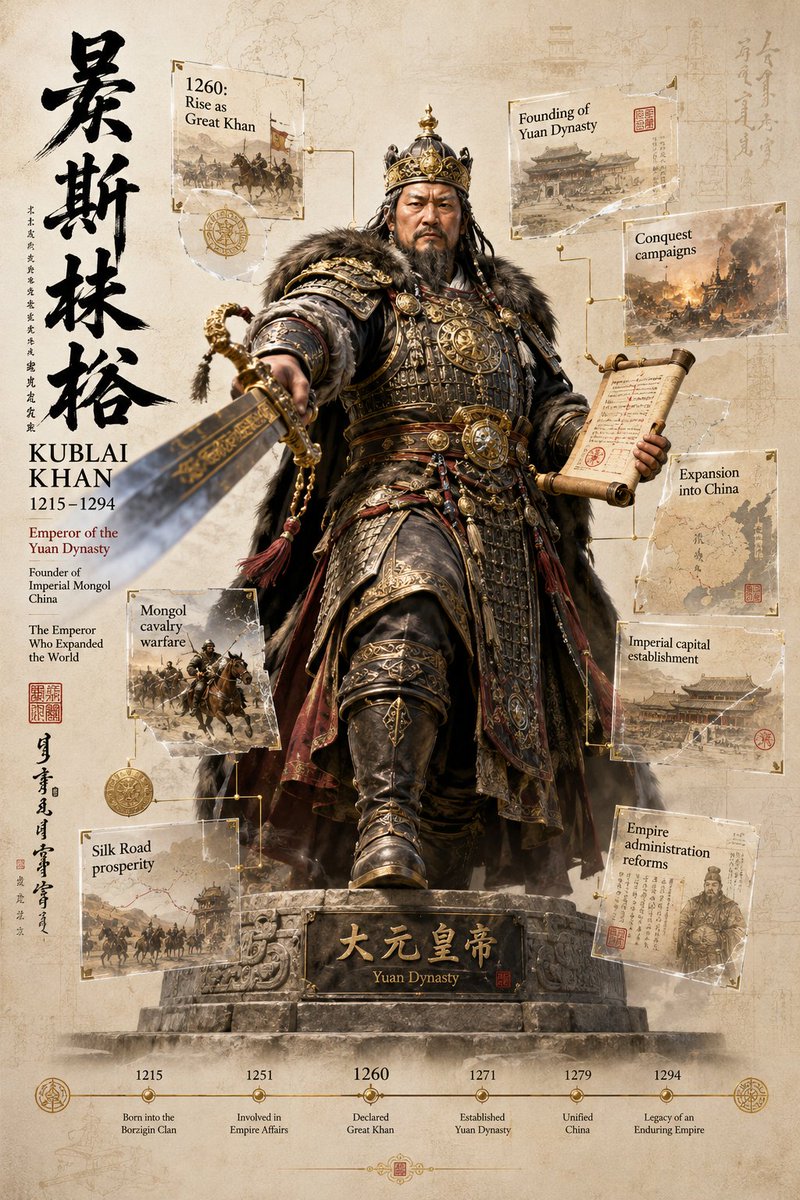
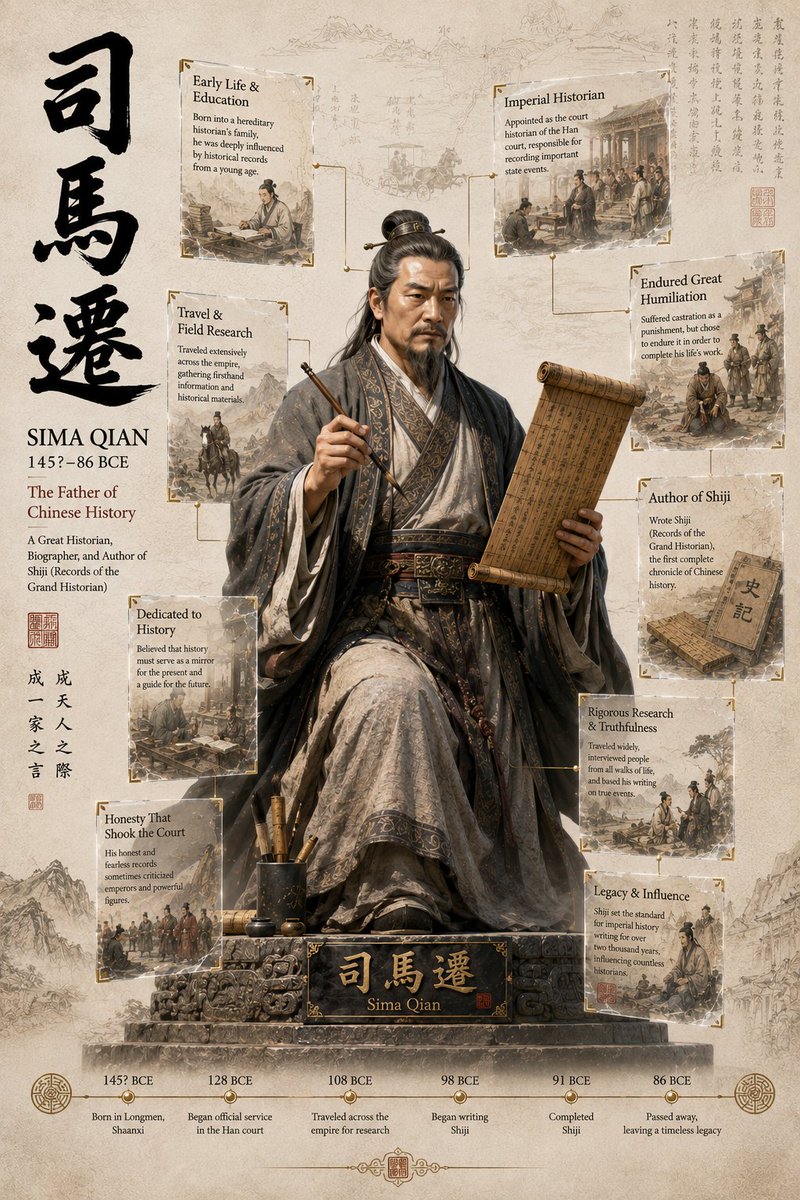
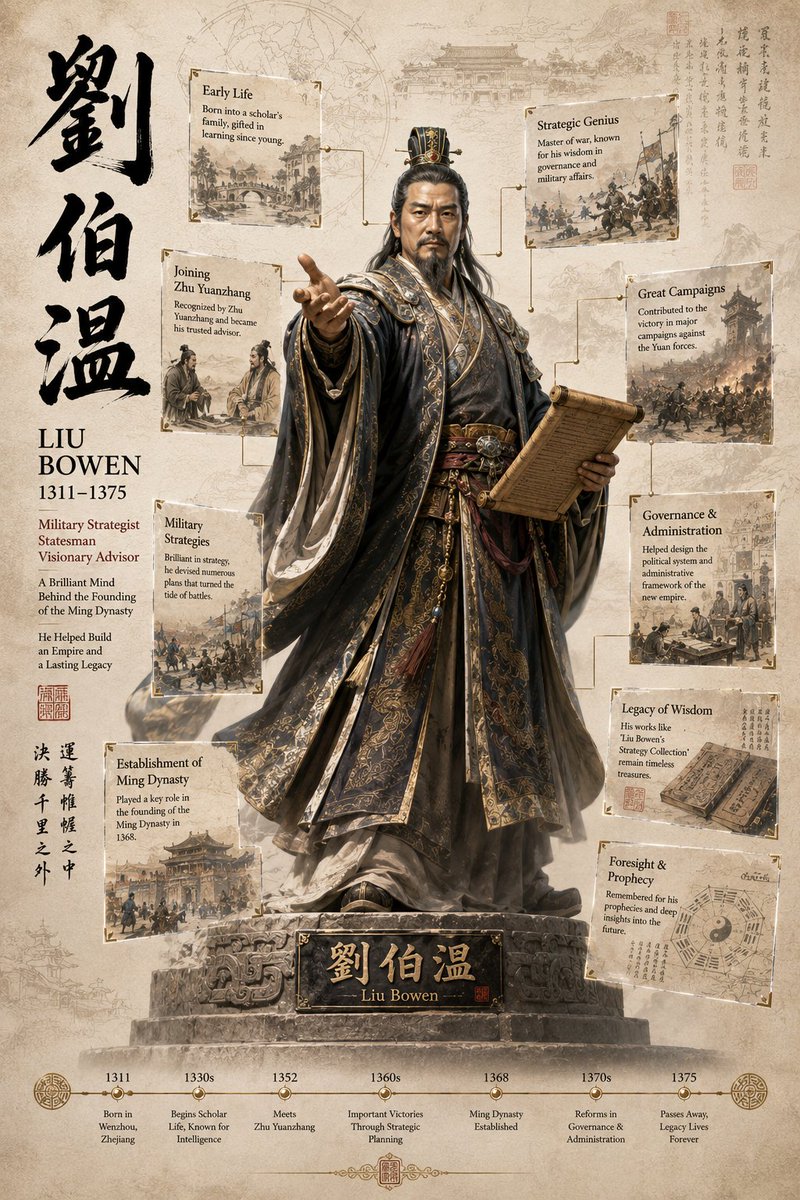
创建一个高度精细的“3D 历史人物破框传记海报”。

主角:{argument name="character name" default="[请输入人物名称]"}
人物身份:[皇帝 / 将军 / 战略家 / 哲学家 / 改革家 / 学者 / 军事统帅]
历史时期:{argument name="historical era" default="[请输入朝代或历史时期]"}
核心关键词:{argument name="keywords" default="[请输入关键词]"}
主色调:[黑金朱红 / 深蓝银 / 暗墨金 / 铁黑]
长宽比:3:4 竖版海报

设计一张极具电影感、历史档案风格的海报,以全身 3D 历史人物为绝对视觉中心。人物必须看起来写实、如纪念碑般庄重、充满力量感,并具备准确的历史还原度。服装、盔甲、长袍、武器、皇冠、靴子、织物纹理及配饰必须与历史时期完全吻合。

人物不应保持静止。设计一个极具戏剧性的“破框而出”动作,面向观众,展现强烈的电影感景深与透视畸变。一只手臂或象征性物件必须有力地向前延伸。破框物件可以是御剑、长矛、令旗、圣旨、兵符、书卷、玉板、礼器或朝代旗帜。确保向前延伸的物件完整可见,不被裁切。

中心人物站在精致的纪念碑式底座上,底座带有细腻的历史雕刻。人物应在视觉上显得厚重且具有统治力,而周围的信息系统则应显得轻盈、优雅、通透且具有悬浮感。

在人物周围放置 6–10 个悬浮的历史事件碎片,设计成轻量级的博物馆档案残片,而非厚重的信息卡片。使用透明亚克力/玻璃面板、发光边框、精细的金色标注线、分层的信息图表碎片以及悬浮的手稿纹理。这些碎片可以包含年份、事件标题、简短注释、历史场景、军事地图、朝代印章、疆域轮廓及古籍纹理。

悬浮碎片应呈现出不同的深度和角度。部分碎片靠近镜头,部分被盔甲或武器部分遮挡,从而营造出强烈的电影感层次和真实的物理空间感。

在左侧,加入大型东亚书法风格的标题排版,包含人物姓名、生卒年、朝代名称、角色标签、历史关键词以及带有印章风格字体的传奇副标题。

在底部,设计一条纤细优雅的水平时间轴,使用精细的金线、小型圆形标记、极简的年份标签以及受博物馆展览指南启发的细微注释。避免使用厚重的信息栏。

背景风格应结合古羊皮纸纹理、褪色的地图、博物馆墙面美学、水墨纹理、印章戳记、破碎的历史文档、战争场面
多语言版本
3D 历史人物传记海报模板
enCreate a highly detailed “3D Historical Breakout Biography Poster”. Main Character: {argument name="character name" default="[INSERT CHARACTER NAME]"} Character Identity: [Emperor / General / Strategist / Philosopher / Reformer / Scholar / Military Leader] Historical Era: {argument name="historical era" default="[INSERT DYNASTY OR HISTORICAL PERIOD]"} Core Keywords: {argument name="keywords" default="[INSERT KEYWORDS]"} Main Color Palette: [Black Gold Crimson / Deep Blue Silver / Dark Ink Gold / Iron Black] Aspect Ratio: 3:4 Vertical Poster Design an ultra cinematic historical archive-style poster with a full-body 3D historical figure as the absolute center focus. The character must appear realistic, monument-like, powerful, and historically accurate with strong cinematic presence. Clothing, armor, robes, weapons, crown, boots, fabric textures, and accessories must accurately match the historical era. The figure should not stand still. Create a dramatic “breaking out of the frame” action pose toward the viewer with strong cinematic depth and perspective distortion. One arm or symbolic object must extend forward aggressively. The breakout object can be an imperial sword, spear, command scroll, royal decree, military token, book scroll, jade tablet, ceremonial weapon, or dynasty banner. Keep the forward object fully visible and uncropped. The central figure stands on a refined memorial-style base with subtle historical engravings. The figure should feel visually heavy and dominant while the surrounding information system feels light, elegant, transparent, and floating. Around the character, place 6–10 floating historical event fragments designed like lightweight museum archive shards instead of thick information cards. Use transparent acrylic/glass panels, glowing borders, fine gold annotation lines, layered infographic fragments, and floating manuscript textures. These fragments may contain years, event titles, short annotations, historical scenes, military maps, dynasty seals, territory outlines, and ancient document textures. The floating fragments should appear at different depths and angles. Some closer to the camera, some partially hidden behind armor or weapons, creating strong cinematic layering and realistic spatial depth. On the left side, include a large East Asian calligraphy-style title composition featuring the character’s name, birth/death years, dynasty name, role labels, historical keywords, and legendary subtitle with seal-style typography. At the bottom, create a thin elegant horizontal timeline using fine gold lines, small circular markers, minimal year labels, and subtle annotations inspired by museum exhibition guides. Avoid heavy information bars. Background style should combine ancient parchment textures, faded maps, museum wall aesthetics, ink textures, seal stamps, fragmented historical documents, war stra
3D 历史人物传记海报模板
zh-CN创建一个高度精细的“3D 历史人物破框传记海报”。 主角:{argument name="character name" default="[请输入人物名称]"} 人物身份:[皇帝 / 将军 / 战略家 / 哲学家 / 改革家 / 学者 / 军事统帅] 历史时期:{argument name="historical era" default="[请输入朝代或历史时期]"} 核心关键词:{argument name="keywords" default="[请输入关键词]"} 主色调:[黑金朱红 / 深蓝银 / 暗墨金 / 铁黑] 长宽比:3:4 竖版海报 设计一张极具电影感、历史档案风格的海报,以全身 3D 历史人物为绝对视觉中心。人物必须看起来写实、如纪念碑般庄重、充满力量感,并具备准确的历史还原度。服装、盔甲、长袍、武器、皇冠、靴子、织物纹理及配饰必须与历史时期完全吻合。 人物不应保持静止。设计一个极具戏剧性的“破框而出”动作,面向观众,展现强烈的电影感景深与透视畸变。一只手臂或象征性物件必须有力地向前延伸。破框物件可以是御剑、长矛、令旗、圣旨、兵符、书卷、玉板、礼器或朝代旗帜。确保向前延伸的物件完整可见,不被裁切。 中心人物站在精致的纪念碑式底座上,底座带有细腻的历史雕刻。人物应在视觉上显得厚重且具有统治力,而周围的信息系统则应显得轻盈、优雅、通透且具有悬浮感。 在人物周围放置 6–10 个悬浮的历史事件碎片,设计成轻量级的博物馆档案残片,而非厚重的信息卡片。使用透明亚克力/玻璃面板、发光边框、精细的金色标注线、分层的信息图表碎片以及悬浮的手稿纹理。这些碎片可以包含年份、事件标题、简短注释、历史场景、军事地图、朝代印章、疆域轮廓及古籍纹理。 悬浮碎片应呈现出不同的深度和角度。部分碎片靠近镜头,部分被盔甲或武器部分遮挡,从而营造出强烈的电影感层次和真实的物理空间感。 在左侧,加入大型东亚书法风格的标题排版,包含人物姓名、生卒年、朝代名称、角色标签、历史关键词以及带有印章风格字体的传奇副标题。 在底部,设计一条纤细优雅的水平时间轴,使用精细的金线、小型圆形标记、极简的年份标签以及受博物馆展览指南启发的细微注释。避免使用厚重的信息栏。 背景风格应结合古羊皮纸纹理、褪色的地图、博物馆墙面美学、水墨纹理、印章戳记、破碎的历史文档、战争场面